
Long considered a material of the past, raw clay has undergone a remarkable revival over the past decade in the world of construction and renovation. In Belgium, and in Wallonia in particular, this resurgence takes on a special dimension thanks to the presence of an exceptional clay deposit: the clay from the Wanlin Brickworks.
Raw clay: an ancient material back in the spotlight
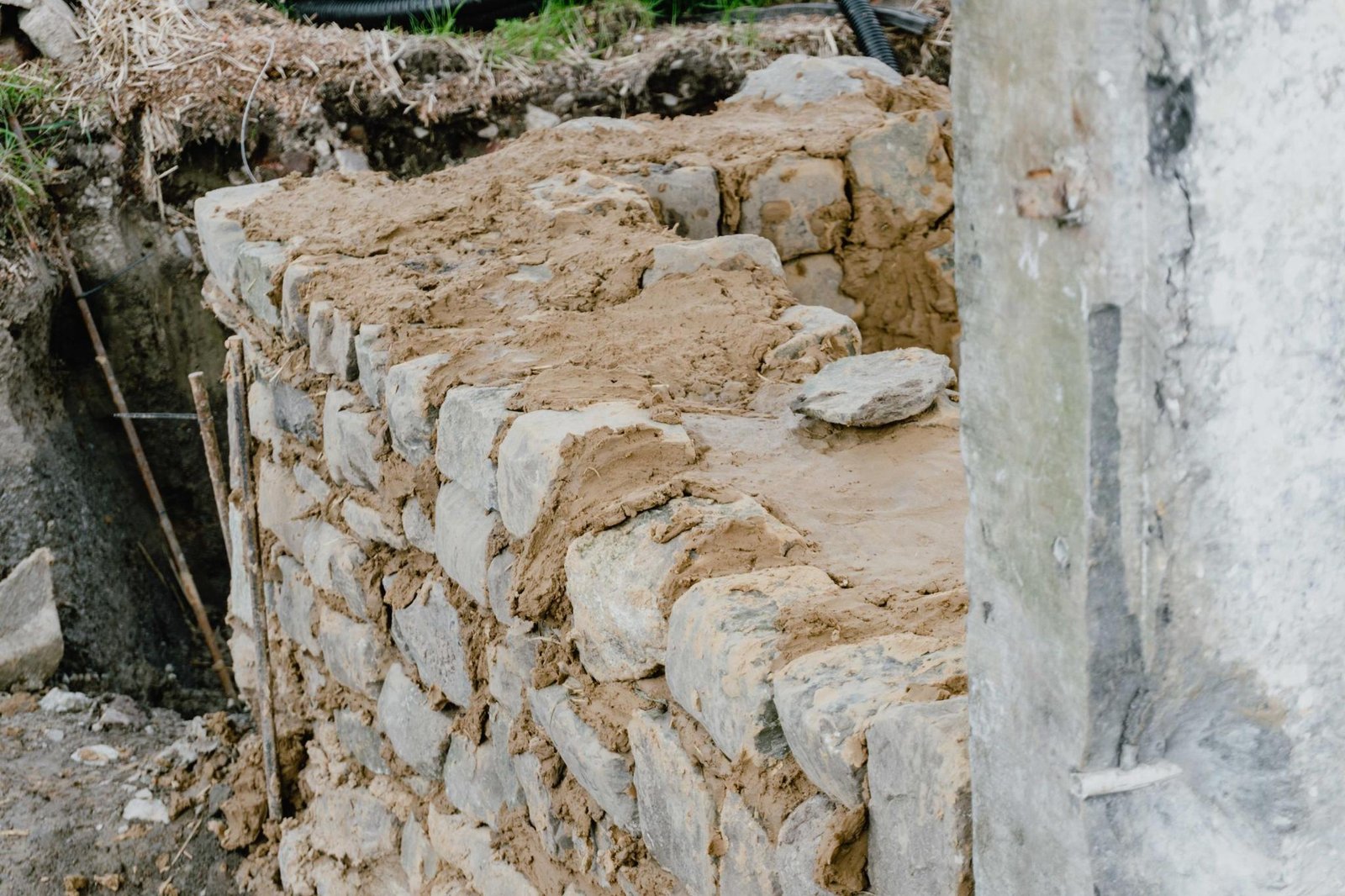
From the cave dwellings of the Maghreb to the half-timbered houses of Normandy, from the medieval clay cities of Yemen to the traditional farmhouses of the Belgian Ardennes: clay has accompanied humanity since its earliest constructions. This natural material, extracted directly from the ground, requires neither firing nor significant chemical transformation. That is its strength and its nobility.
Today, faced with climate challenges and a growing demand for healthy and sustainable materials, construction professionals are rediscovering its virtues. Across Europe, there is a steady increase in construction sites using raw clay plasters, both in renovation and new build. Germany, a pioneer in this field, already has several thousand specialist applicators. France, the Netherlands and Belgium are following suit at a sustained pace.
Wallonia: fertile ground for natural clay
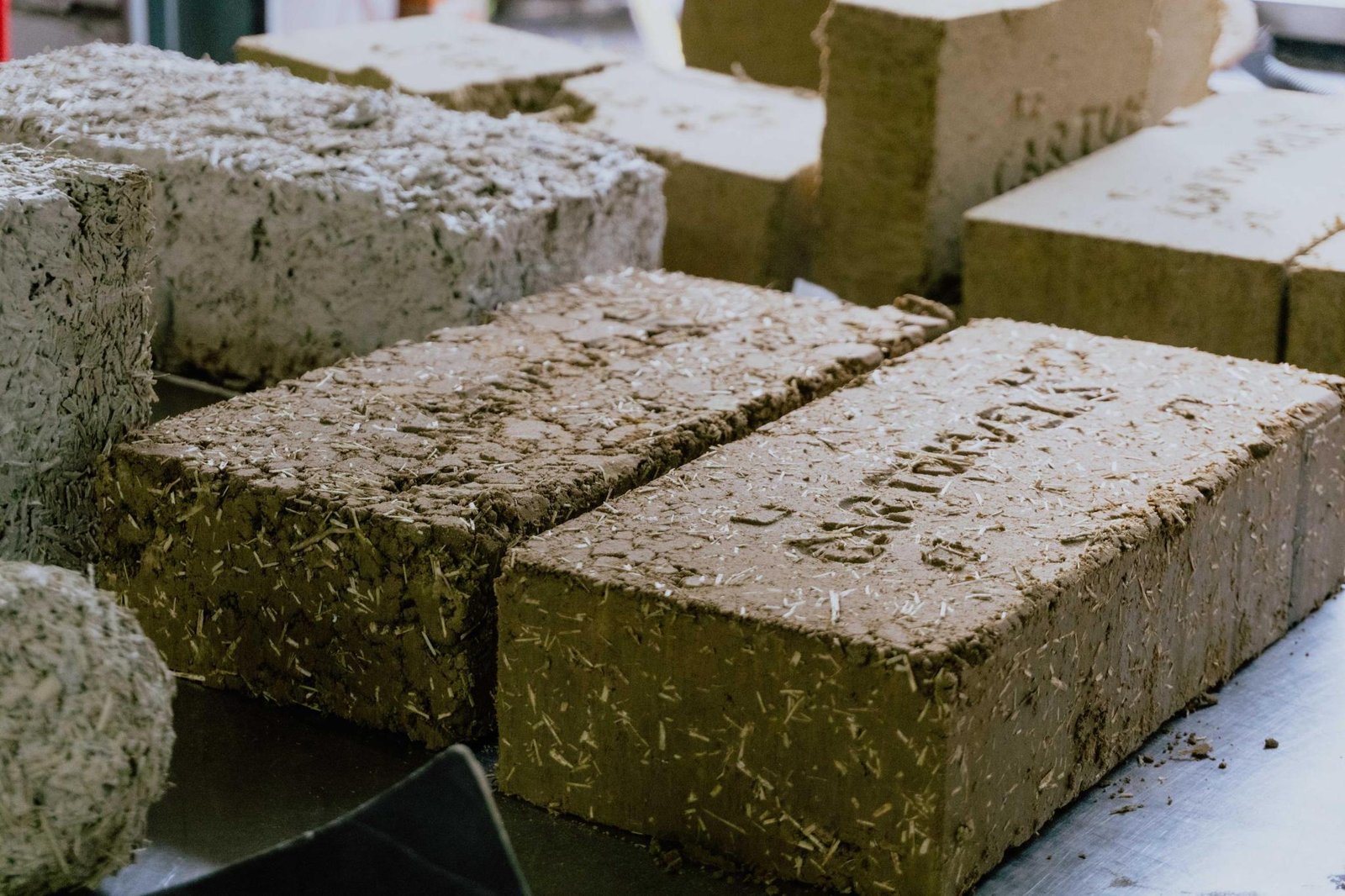
Wallonia holds a considerable advantage: its clay-rich soils, shaped by millions of years of sedimentation, contain clay of exceptional quality. The Wanlin Brickworks, established in the Lesse valley since the 19th century, is the most emblematic example. Its fine, plastic and homogeneous clay has long been recognised by professionals as one of the finest in Europe for finishing applications.
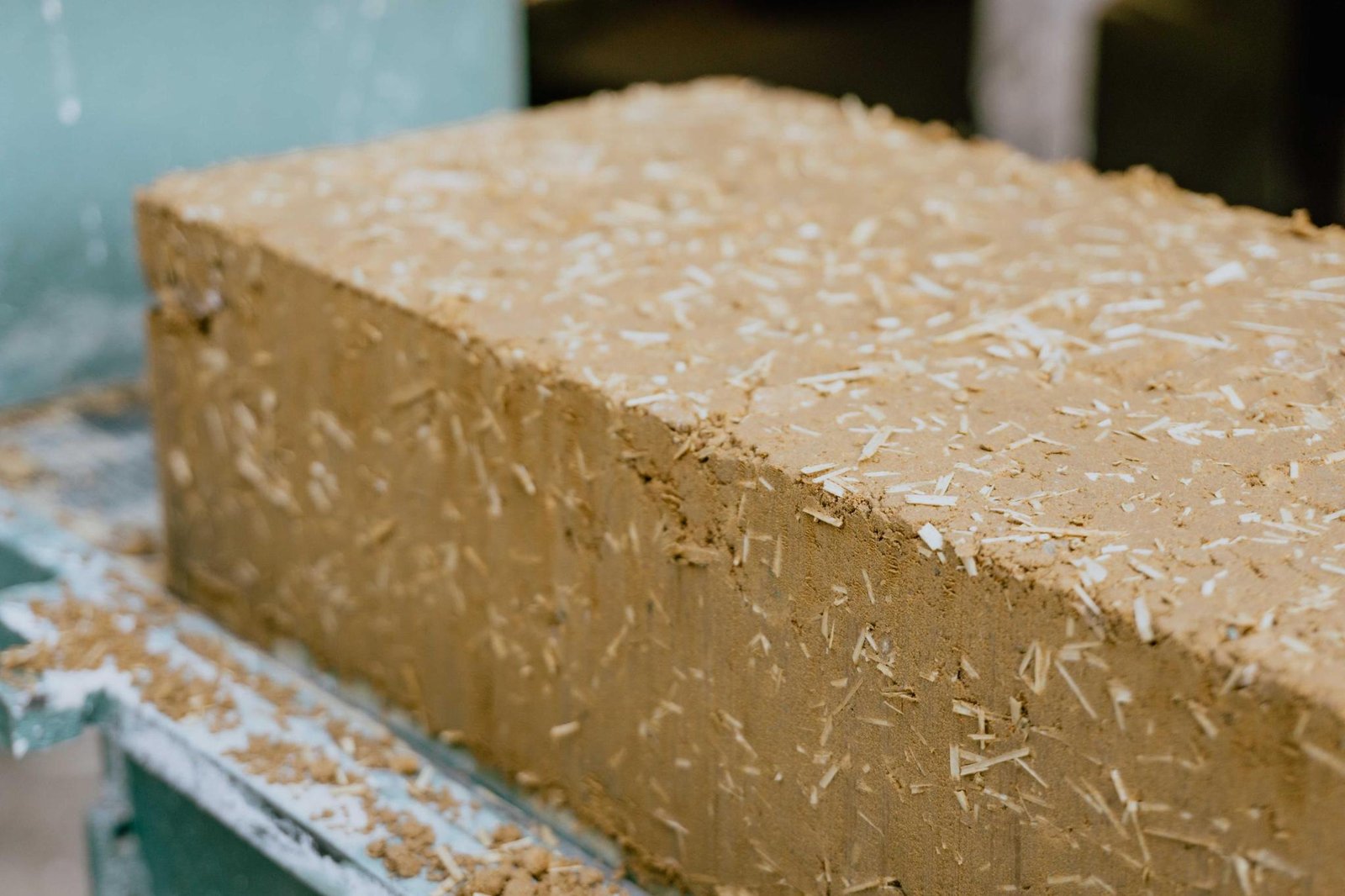
It is precisely on this Wanlin clay that the entire Argibat range is based. Each product — EasyClay, Argiline, Clay White Finish, Argibase — is formulated to bring out the natural qualities of this local clay, while meeting the technical requirements of contemporary building sites.
Ecological renovation: clay proves its worth
In the renovation sector, clay addresses several major challenges that arise acutely in Wallonia's older building stock:
- Compatibility with old substrates: clay plasters are flexible, breathable and perfectly compatible with stone, brick, wattle-and-daub or rammed-earth walls found in the farmhouses and character buildings of our regions.
- Humidity regulation: old buildings often suffer from moisture problems. Clay absorbs excess moisture and releases it gradually, preventing condensation and mould without the need for mechanical systems.
- No VOCs: unlike conventional paints and plasters, clay emits no volatile organic compounds, making it the ideal choice for healthy interiors, particularly in passive or low-energy homes.
- Thermal mass: applied in sufficient thickness, clay stores heat during the day and releases it at night, helping to stabilise indoor temperature and reduce heating needs.
New construction: clay enters the specifications
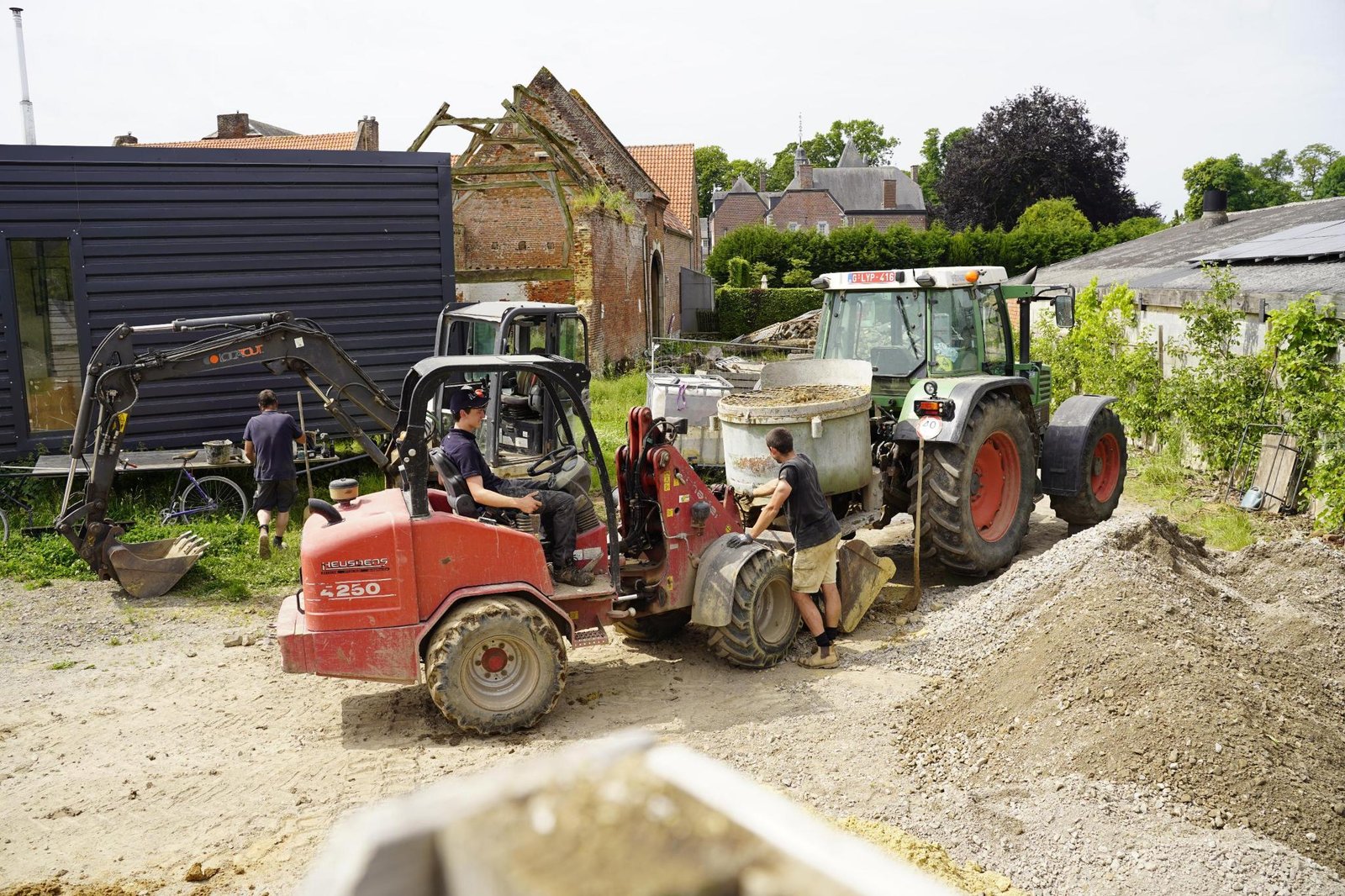
While renovation represents the most immediate market, new construction is also seeing a significant breakthrough for raw clay. Belgian architects working on high environmental performance projects — passive houses, NZEB buildings (Nearly Zero Energy Buildings), straw or timber construction — are increasingly specifying clay plasters for interior finishes.
The reasons are manifold: clay ideally complements timber-frame construction by managing moisture transfers, it provides additional thermal mass to lightweight structures, and it has an extremely favourable carbon footprint compared to cement- or gypsum-based plasters.
In Wallonia, several exemplary projects have already demonstrated the relevance of this approach: eco-districts in Namur, clustered housing in the Condroz, renovated farmhouses in the Ardennes. In each of these projects, clay plasters have contributed to creating interiors of incomparable sensory quality — warm, healthy and alive.
Training: the key to growth
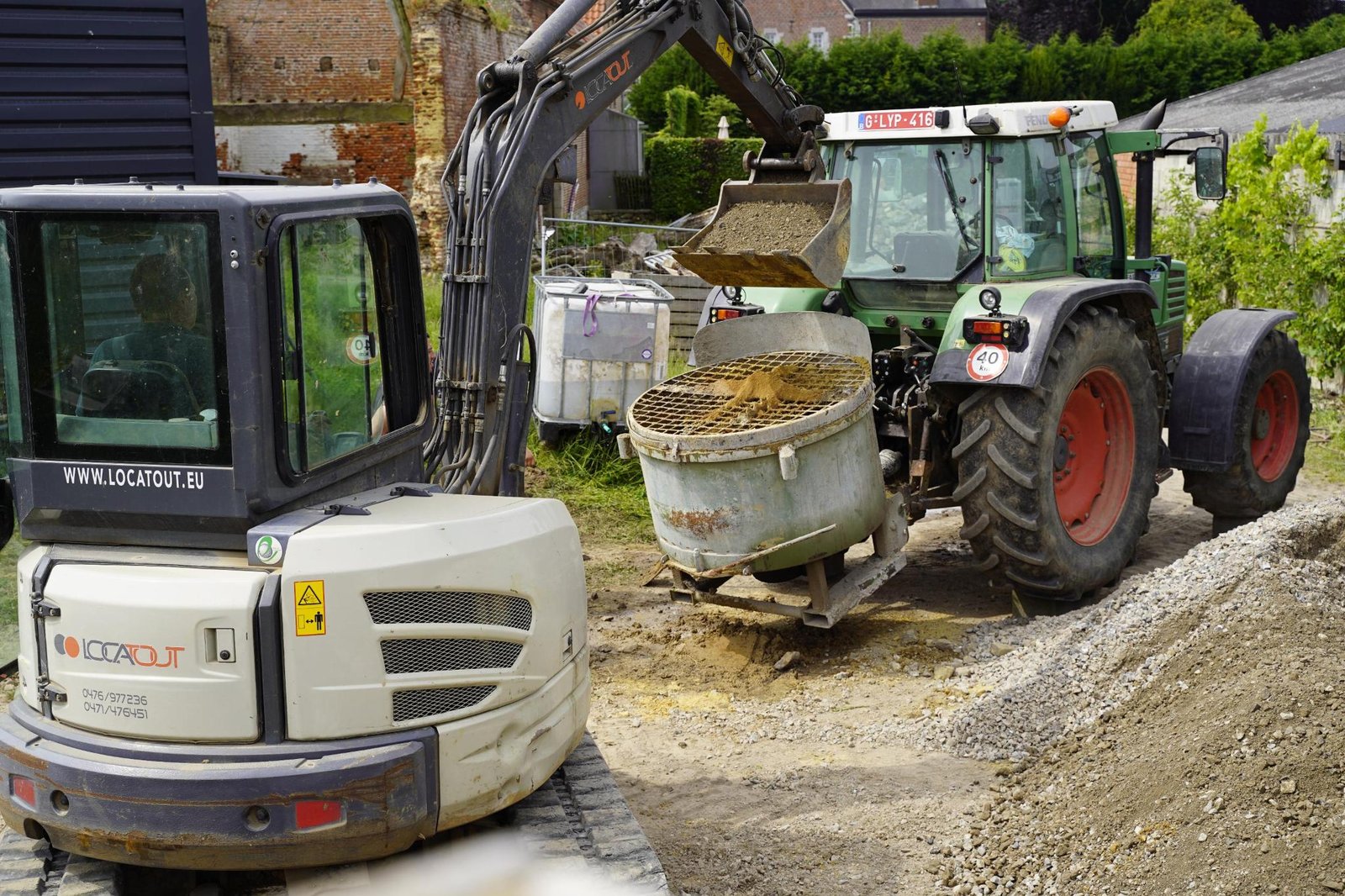
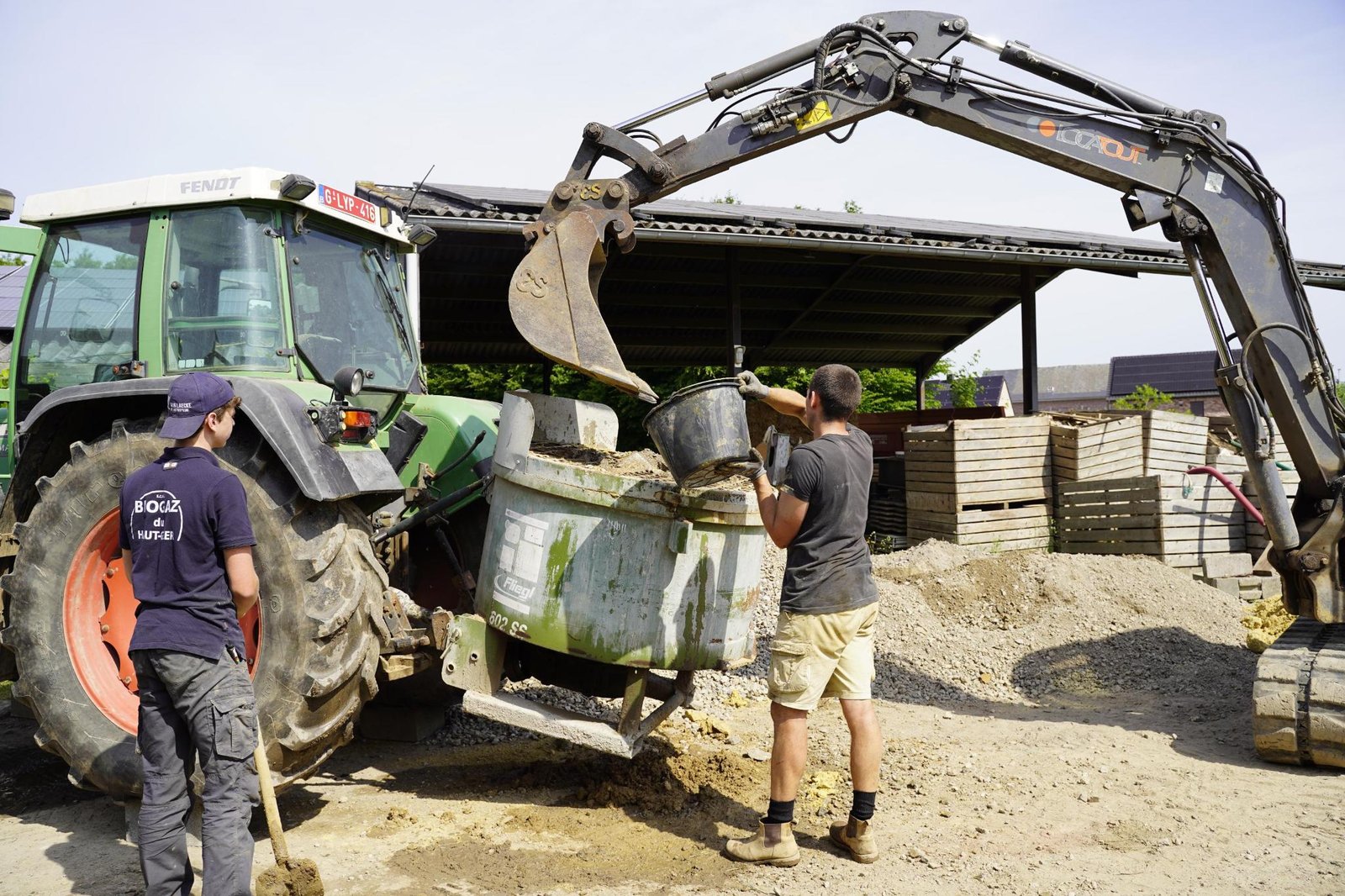
One of the historical obstacles to the development of raw clay in Belgium has been the shortage of professionals trained in its application. Unlike cement or gypsum plasters, clay requires specific knowledge: understanding of the material, mastery of drying times, substrate preparation, management of layer thicknesses. These skills must be acquired and passed on.
This is why Argibat, under the impetus of Xavier Cartuyvels, is actively developing a network of trained and certified applicators. Training in clay plaster application is offered to craftspeople wishing to specialise in this fast-growing field. The goal: to have, in every Walloon province, at least one reference applicator capable of responding to the needs of private clients and project managers alike.
Outlook: a market in full growth
The signals are unanimous: the market for natural building materials — of which clay is one of the pillars — will continue to grow in the coming years. The new European regulations on building energy performance (EPBD directive), environmental certifications such as BREEAM or DGNB, and the evolving expectations of building owners all point in the same direction.
In Belgium, the increase in the number of construction sites using bio-based materials is already notable. The timber-straw-clay supply chain is structuring itself around committed regional players, of which Argibat is now a part.
For renovation and construction professionals who wish to anticipate this evolution and offer their clients healthy, durable and aesthetic solutions, raw clay represents a concrete opportunity — available today, with the support of Argibat.
Contact us for more information about our products, prices and training sessions.